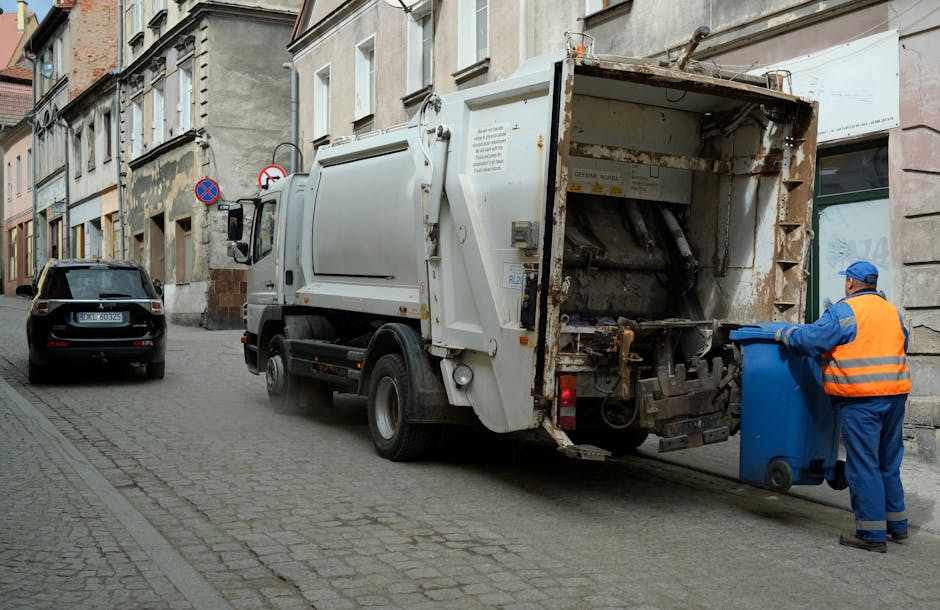
Sydenham Hill bulky rubbish pickup near SE26: a practical guide for local homes and businesses
If you've got a sofa in the hallway, a broken wardrobe in the spare room, or a pile of mixed junk that has quietly become a full-blown nuisance, a Sydenham Hill bulky rubbish pickup near SE26 can save a lot of time and stress. The job sounds simple on the surface, but there's usually more to think about than people expect: access, lifting, recycling, timing, and whether the items can actually be taken away in one go. This guide walks you through the whole process in plain English, so you can make a sensible decision without the faff.
You'll find out what bulky waste pickup means, how collection services typically work, which situations it suits best, and where people often trip themselves up. There's also a checklist, comparison table, and a practical example to help you picture how it all comes together in real life.
Table of Contents
- Why Sydenham Hill bulky rubbish pickup near SE26 matters
- How Sydenham Hill bulky rubbish pickup near SE26 works
- Key benefits and practical advantages
- Who this is for and when it makes sense
- Step-by-step guidance
- Expert tips for better results
- Common mistakes to avoid
- Tools, resources and recommendations
- Law, compliance, standards, or best practice
- Options, methods, and comparison table
- Case study or real-world example
- Practical checklist
- Conclusion
- Frequently asked questions
Why Sydenham Hill bulky rubbish pickup near SE26 Matters
Bulky rubbish is one of those things that becomes annoying faster than you'd think. A mattress leant against the wall, a fridge taking up half the utility room, old office desks stacked in a corner - each one is manageable for a day or two, then suddenly the space feels smaller, messier, and harder to use. In a place like Sydenham Hill and the wider SE26 area, where many homes have tight front paths, shared access, stairwells, or limited parking, the logistics matter just as much as the rubbish itself.
That's why a proper bulky pickup service is useful. It turns a messy, physically awkward task into a planned removal with the right vehicle, lifting support, and disposal route. To be fair, most people don't want to think about the back end of waste handling. They just want the old stuff gone without damaging walls, upsetting neighbours, or losing half a Saturday to loading and unloading.
It also matters because bulky items are often not as simple as "just take it to the tip." Some objects are heavy, awkward, or not accepted in ordinary household bin collections. Others may contain components that need separate handling. A reliable collection service can help sort that out cleanly.
Expert summary: The value of a local bulky rubbish pickup is not only removal. It's safe lifting, sensible sorting, and a smoother process from doorstep to disposal.
For people planning a bigger clear-out, this service often sits alongside house clearance, flat clearance, or even garage clearance. If the pile has spread beyond one room, that's usually the moment to step back and look at the whole picture rather than trying to tackle it item by item.
How Sydenham Hill bulky rubbish pickup near SE26 Works
Most bulky rubbish pickups follow a fairly similar pattern, though the exact process depends on the provider and how much material you need removed. The basic idea is simple: you describe what needs to go, the collection is assessed, a time is agreed, and the items are removed from the property or kerbside.
Typical stages in a bulky pickup
- Initial enquiry: You list the items, share photos if asked, and explain where they are located.
- Estimate or quote: The service gives you a price or a price range based on volume, weight, labour, and access.
- Booking: A collection slot is arranged. In some cases, same-day or next-day pickup may be possible, but that depends on demand and location.
- Arrival and assessment: The team checks the access, confirms the load, and explains anything that may change the quote.
- Removal: Items are lifted, carried out, loaded, and taken away.
- Sorting and disposal: The waste is then separated for reuse, recycling, or disposal where possible.
In real life, the difference between a smooth pickup and a frustrating one is usually access. A clear path to the front door, a usable lift in a block of flats, or a place to park close enough for loading can make everything easier. If you live on a steep street or in a building with narrow stairs, mention that early. It saves headaches later. Little things matter. A lot.
For mixed loads, it can help to think beyond the word "rubbish." Some items are furniture, some are general waste, and some might fall into building debris or garden material. That's where related services like furniture disposal, builders waste clearance, or garden clearance may be a better fit than a generic pickup, depending on what you have.
Key Benefits and Practical Advantages
The biggest advantage is obvious: you get your space back. But the real value usually goes deeper than that. A good pickup service reduces physical strain, saves time, and cuts the risk of accidental damage or injury. Anyone who has tried to drag a bulky wardrobe down a narrow stairwell will know exactly what I mean - it's not just inconvenient, it can be genuinely tricky.
- Less lifting for you: Large items are awkward, and some are dangerous to move without help.
- Faster clear space: Rooms become usable again sooner, which is a big relief during moves or refurbishments.
- Cleaner finish: A proper service leaves less mess behind than a rushed DIY removal.
- Better sorting: Reusable or recyclable materials can be separated more effectively.
- Less disruption: Fewer car trips, fewer loading issues, and less time lost.
There's also a mental benefit people often underestimate. Clutter has a way of hanging around in the background, quietly nagging at you. Once it's gone, the room feels lighter. Sounds a bit obvious, maybe, but it's true.
If the items are office-related, a more suitable route may be office clearance or business waste removal. That matters because different categories of waste may need different handling, and a service built for one type of load may not be the best choice for another.
Who This Is For and When It Makes Sense
This kind of pickup is not only for big house moves. In practice, it helps a wide mix of people. You might need it if you're downsizing, clearing out a rental property, replacing furniture, handling an estate-related clearance, or just finally dealing with the stuff that has accumulated in the shed or loft.
It makes particular sense when the items are too large for ordinary waste collection, too heavy for one person to handle safely, or too many to fit in a regular vehicle. It also makes sense if you're short on time and would rather have the whole job done in one clean visit. Let's face it, most people would rather spend their Saturday doing almost anything else.
Common situations that call for bulky pickup
- Old sofas, armchairs, and beds
- Wardrobes, cupboards, and shelving
- Broken appliances or white goods
- Garden furniture and outdoor items
- Garage clutter and mixed household junk
- Post-renovation leftovers that are too large for bins
For some homes, the service is part of a broader tidy-up. A loft stacked with forgotten boxes may need loft clearance. A property being prepared for sale or rent might need a more complete home clearance. The right choice depends on volume, access, and how many different waste streams are involved.
Step-by-Step Guidance
If you want the process to go smoothly, a little preparation goes a long way. Here's the simplest way to approach it.
- Make a list of items. Be specific. "One three-seater sofa, one dismantled bed frame, one chest of drawers" is much more helpful than "some furniture."
- Check what is actually bulky. Group items by type: furniture, garden waste, building debris, electricals, general junk. That helps the service plan the job properly.
- Take clear photos. A few pictures from different angles can save time and reduce surprises.
- Measure access points. Doorways, stair turns, lifts, and parking distance all matter more than people expect.
- Ask about lifting and loading. Find out whether the team collects from inside the property, from a front garden, or only from the kerb.
- Confirm the price basis. Is it volume-based, weight-based, item-based, or a mix? Knowing that up front is helpful.
- Prepare the items. Separate anything you want to keep, clear the route, and make sure the rubbish is easy to identify.
- Be available at the agreed time. A quick call or access issue can delay things otherwise.
A tiny but useful tip: if there are items with hidden contents, empty them first. Drawers, wardrobes, cabinets - people forget these. And then, on the day, everyone ends up pausing while somebody fishes out old paperwork, a broken charger, and three mystery cables that have been living there since who knows when.
Expert Tips for Better Results
In our experience, the smoothest pickups happen when the customer gives more detail than they think is necessary. Not less. It's the little specifics that make a collection efficient.
- Be honest about awkward access. Narrow hallways, stairs, no parking, locked gates - say it early.
- Don't mix dangerous items in without checking first. Some materials need specialist handling.
- Keep reusable items separate if possible. That makes sorting and recycling easier.
- Bundle light items together. Loose pieces slow the team down and can create mess.
- Photograph the load before and after. Useful for your own records, especially for landlord or tenancy handovers.
If you're working through a bigger space, it often helps to think in zones: one room, one cupboard, one pile, one decision. It sounds almost too simple, but it works. People get overwhelmed when they try to clear everything at once. A smaller, orderly approach usually wins.
And if the job is partly about furniture, you may want to look at furniture clearance or furniture disposal rather than a broader waste option. That gives you a better match between the service and the actual items.
Common Mistakes to Avoid
The most common mistake is underestimating the load. What looks like "a few things" can turn into a full vehicle once it's all gathered in one place. Another regular issue is forgetting about access. A pickup can be perfectly planned on paper and still go sideways if there's nowhere to park or the items won't fit through the stairwell.
- Leaving sorting until collection day: This slows everything down and can increase costs.
- Assuming every item is treated the same: Mixed waste often needs mixed handling.
- Not checking exclusions: Some items may need special arrangements.
- Forgetting permits or access constraints: Especially relevant for flats, controlled parking, or busy streets.
- Choosing only on price: Cheaper is not always better if it means poor communication or unclear disposal methods.
One slightly awkward but very real problem is the "pile and pray" approach - where everything gets dragged into one corner and the plan is to deal with it later. Later usually turns into tomorrow, then next week, then the room still looks the same. Not ideal.
Tools, Resources and Recommendations
You do not need much to prepare for a bulky collection, but a few simple tools help. A tape measure is useful for checking whether items can be moved through doorways. A phone camera helps you document the load. Gloves and sturdy shoes are sensible if you're moving smaller items around beforehand. If there's dust in a loft or garage, a mask can be sensible too.
For planning, a notebook or notes app is often enough. Write down:
- what is going
- where it is located
- whether it is heavy, fragile, or awkward
- any access problems
- your preferred collection day
If you're comparing services, the most helpful pages to review are usually the ones that explain pricing, safety, and disposal standards. For this site, that includes pricing and quotes, recycling and sustainability, insurance and safety, and health and safety policy. These are the sorts of pages that tell you more about how seriously a company takes the work, beyond just the headline promise.
Law, Compliance, Standards, or Best Practice
Bulky rubbish pickup is not just a matter of moving items from A to B. In the UK, waste has to be handled responsibly, and that includes keeping it out of the wrong channels. You do not need to become an expert in waste law to book a pickup, but it does help to know the basics.
Best practice usually means the service should collect, transport, and route waste in a way that supports reuse or recycling where possible, and disposes of residual material appropriately. For householders, a sensible approach is to keep waste streams separated where practical and avoid mixing items that may need specialist handling.
If a provider talks openly about responsible handling, it's a good sign. If they can explain how they manage sorting, lifting, and safety in straightforward language, even better. You want clarity, not fluff. The same goes for payment handling and service terms; a clear payment and security policy and readable terms and conditions are simple trust signals that matter more than people realise.
There's also a practical safety angle. Heavy items can damage flooring, walls, lifts, and stair rails if they're shifted carelessly. Good practice means planning the route, protecting surfaces where needed, and lifting in a way that reduces risk to both people and property. Small thing? Not really. It's the difference between a tidy job and a headache.
Options, Methods, and Comparison Table
There are a few ways to get bulky rubbish removed. The right one depends on how much you have, how heavy it is, and how quickly you need it gone.
| Option | Best for | Pros | Watch-outs |
|---|---|---|---|
| Bulky rubbish pickup | Single or mixed large items | Convenient, fast, less lifting | Needs clear access and accurate item details |
| DIY disposal | Very small loads and people with transport | Can feel cheaper at first | Time, lifting, fuel, and disposal hassle add up quickly |
| Full property clearance | Whole rooms, flats, or houses | Better for bigger jobs, one coordinated visit | May be more than you need for a few items |
| Specialist service by item type | Furniture, garden, builders, or office waste | More tailored handling and sorting | Choosing the wrong category can delay the job |
For example, a single sofa and a broken coffee table might fit neatly under a furniture-focused service. A half-garage of mixed tools, boxes, and broken shelving may be better handled as a garage clearance. A kitchen rip-out from a small refurb is more likely to need builders waste clearance.
Case Study or Real-World Example
Imagine a ground-floor flat near Sydenham Hill with an old sofa, a dismantled bed frame, two broken office chairs, and a few bags of general clutter in the hallway. The homeowner has been meaning to sort it for months. The biggest issue is not the lifting alone; it's the narrow route through the front door and the fact that everything is in separate corners of the flat.
They take a few photos, note the access situation, and list the items clearly. On the day, the team arrives with enough space on the vehicle, confirms the load, and moves the items out in one visit. The sofa goes first, then the smaller items are grouped and loaded. The whole job takes far less time than the homeowner expected, and the flat suddenly feels twice as roomy. You can almost hear the echo in the hallway.
That's the real benefit in practice: less disruption, less lifting, and a cleaner end result. It's not glamorous, but it is satisfying. Especially when you've been staring at the same pile for weeks.
In a slightly bigger scenario, say a family clearing a spare room after a move, the same approach applies. A mix of furniture, bags, and forgotten storage boxes can be handled much more efficiently when the contents are listed properly and the access is checked before collection. No drama, just a sensible plan.
Practical Checklist
Use this quick checklist before booking your pickup.
- List every item you want removed
- Separate keep, donate, and dispose piles
- Take clear photos from more than one angle
- Check doorways, stairs, lifts, and parking access
- Measure any especially large furniture pieces
- Flag anything fragile, heavy, or awkward
- Ask how the quote is calculated
- Confirm whether the team removes items from inside the property
- Remove personal belongings from drawers and cupboards
- Make sure the collection area is clear on the day
- Check whether your load is better suited to a more specific service such as waste removal or a furniture-focused option
If you do those basics, you'll avoid most of the usual headaches. It's a small bit of prep that pays off in a big way.
Conclusion
A Sydenham Hill bulky rubbish pickup near SE26 is really about making a complicated task feel manageable. Whether you're clearing one awkward item or a whole collection of bulky waste, the key is preparation: know what's going, understand your access, and choose a service that matches the load.
The best results come from clear communication and a practical mindset. Not perfect. Just clear. If you've been putting off the job because it looks too much like a weekend-eating monster, that's understandable. Most people do. But once the items are gone, the relief is immediate, and the space feels usable again in a way that's hard to describe until you've done it.
Get a free quote today and see how much you can save.
And honestly, there's something quietly satisfying about opening a room and seeing floor space again. Small win, but a good one.
Frequently Asked Questions
What counts as bulky rubbish in Sydenham Hill SE26?
Bulky rubbish usually means items that are too large, heavy, or awkward for normal household bins. That includes sofas, mattresses, wardrobes, tables, chairs, appliances, and similar large household objects.
Can a bulky rubbish pickup take items from inside my home?
Often, yes, but it depends on the provider and the access conditions. Some collections are from the kerb or front garden only, while others include inside-property lifting. Always confirm before booking.
Is a bulky pickup better than hiring a skip?
For single items or smaller mixed loads, a bulky pickup is often simpler because you do not need to load everything yourself. A skip can suit renovation waste or longer projects, but it takes more space and more effort to fill.
What if I have furniture and general rubbish together?
That is very common. Mixed loads can usually be handled, but it helps to describe the items clearly so the service can plan the right vehicle and sorting approach.
How do I prepare for a bulky rubbish collection?
List the items, clear access paths, remove personal belongings, take photos, and mention anything awkward such as stairs or parking restrictions. A little prep makes the day much easier.
Do I need to dismantle furniture before collection?
Not always, but dismantling large items can help if access is tight or if the item will not fit through doors or stairwells. If you are unsure, ask before taking anything apart.
Can bulky rubbish pickups handle garden waste or builders waste?
Sometimes, but these loads are often better handled by more specific services such as garden clearance or builders waste clearance. The type of waste matters.
How much notice do I need to give?
That depends on availability. Some jobs can be arranged quickly, while others need a little lead time, especially if the load is large or access is complicated.
What should I check before agreeing to a quote?
Check what is included, how the price is worked out, whether lifting from inside is covered, and whether there are any access-related assumptions. Clarity now avoids surprise later.
Is recycling part of a bulky rubbish pickup?
It should be, where the materials allow it. Responsible services will sort items where possible and route reusable or recyclable material appropriately. That is why recycling and sustainability matters.
What if I live in a flat or have restricted access?
That is still workable, but you should mention it early. Flats, stairwells, lifts, and parking restrictions can all affect the collection plan, so it is better to flag them at the start.
Where can I get more information before booking?
You can review the site's service and trust pages, including about us, pricing and quotes, and contact us if you want to ask about a specific collection.