Garden Clearance in Sydenham
Garden clearance in Sydenham needs a practical, tidy approach that deals with overgrown corners, unwanted cuttings, broken outdoor items and general green waste without turning the whole job into a drawn-out disruption. We clear gardens for homes, landlords and small premises, helping you regain usable space and prepare the outdoor area for whatever comes next, whether that is routine upkeep, landscaping or a simpler low-maintenance layout.
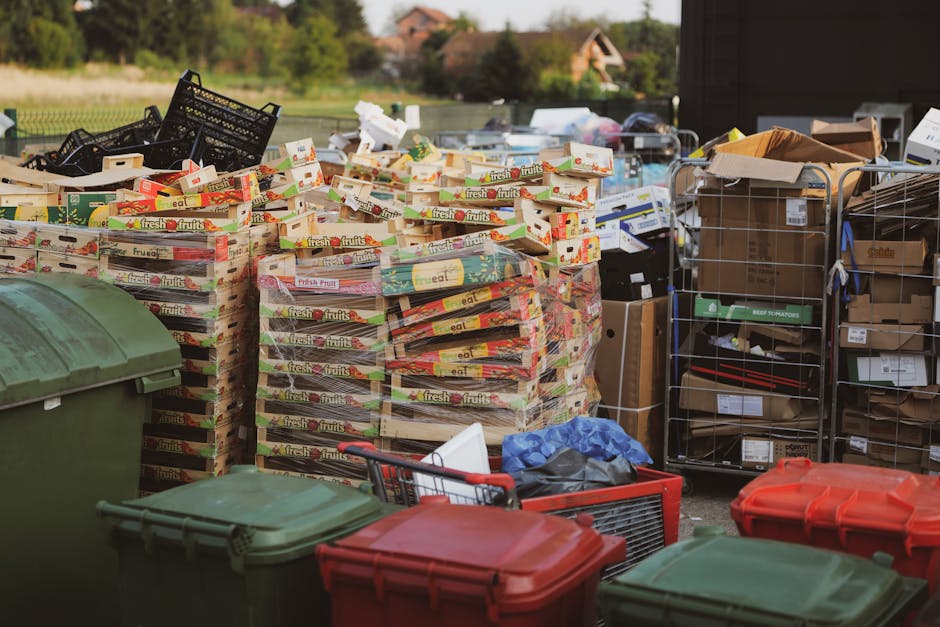
Our garden clearance work can cover a single heavy sweep or a fuller tidy-up where several kinds of material need separating and removing. That often includes branches, hedge trimmings, leaves, soil-contaminated debris, plant pots, timber offcuts, old garden furniture and dismantled features that are no longer needed. Where items are mixed, we sort them carefully so that recyclable material and general waste are handled sensibly.
For a straightforward starting point, you can review our garden clearance service details and see how the work is typically organised. If you are comparing options or planning a broader property clear-out, our waste removal overview explains the wider range of collections we carry out across domestic and small commercial settings.
What our garden clearance covers
Many outdoor clearances are not just about taking away green waste. They may involve dismantling older items, lifting heavier debris from awkward corners and removing materials that have built up after pruning, weather damage or a period of neglect. We work through the site in a sensible order, starting with the most accessible and obvious material before moving on to harder-to-reach areas, so the garden feels progressively easier to use as the job advances.
Typical work may include hedge cuttings, bramble growth, fallen branches, compostable waste, old bark, broken planters, rotting timber, lawn edging, sleepers, tired fencing pieces, garden ornaments and other loose outdoor clutter. If there are mixed loads, we keep the process orderly and avoid unnecessary disturbance to paths, borders and structures that are staying in place. The aim is a clear, workable finish rather than simply shifting one pile into another corner.
When a partial clearance makes sense
Not every job needs a complete reset. Some customers only want one section opened up, such as a side return, shed approach, rear patio or boundary line where growth has become difficult to manage. In those cases, a partial clearance can be a useful option because it focuses effort where it will make the greatest difference. It is also a sensible approach when certain plants, features or materials are being kept for later use.
Managing mixed outdoor waste responsibly

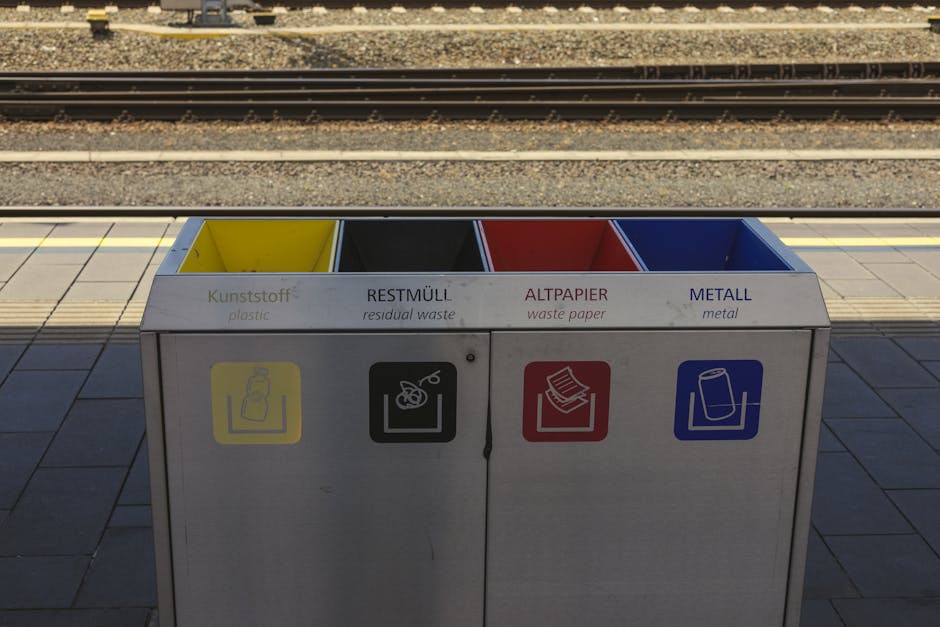
Outdoor clearances often produce more than one waste type, so it helps to separate the load rather than treat everything as one indistinct pile. Green waste, recyclable timber, metal items, reusable furniture and general rubbish each need a different route where possible. That keeps the process more orderly and helps reduce avoidable disposal issues. We aim to handle the collection in a way that suits the material rather than forcing every item into the same category.
Where the garden contains a combination of soil, plant matter and man-made items, the clearance can take a little more care, especially if items are damp, awkwardly stacked or partially buried. We remove the material from the working area, load it efficiently and leave the space ready for your next step. If you are deciding whether to clear everything at once or break the job into phases, that usually depends on how much material is present and how much of the garden must stay accessible during the work.
For customers who want to understand pricing influences before they enquire, the pricing and quotes page gives a useful overview of the sort of details that can affect a quotation. If the garden includes items beyond the usual cuttings and light debris, our furniture clearance service can also be relevant for outdoor chairs, tables and other garden furnishings that need removing safely.
Sites that need extra care
Some gardens are straightforward, but others contain awkward access, steep steps, narrow side passages, long-neglected growth or a mix of fragile and heavy materials. In those situations, the practical order of work matters as much as the amount removed. We pay attention to how items are carried, where loose debris is gathered and how the clearance progresses so that the area is left in a cleaner and more manageable condition than it started in.
There can also be a difference between a general tidy and a clearance that removes accumulated waste from hidden corners. The latter may involve checking under shrubs, along fence lines, beside garages or behind sheds where bags, broken pots and leftover materials tend to be forgotten. That careful approach helps prevent small pockets of waste from being left behind simply because they are out of sight or difficult to reach.
- overgrown borders and bramble patches
- old plant containers, trays and broken pots
- timber offcuts, shed debris and loose fittings
- garden furniture and other outdoor items
Clearances alongside related property work

Garden clearance is often one part of a wider property improvement plan. A front or rear garden may need outdoor waste removed before a larger tidy-up, or it may form part of a move-out, refurbishment or tenancy change where several spaces are being reset at once. In those situations, it can be useful to look at the broader collection pages that match the type of material involved, rather than treating every item separately.
If the job extends beyond the garden and into the house, loft or garage, the related pages can help you identify the right service for each area. For example, our house clearance page covers general domestic clear-outs, while loft clearance is better suited to stored items and materials from roof spaces. Where a garage has become the main holding area for outdoor clutter, the garage clearance service may be the more appropriate starting point.
It is often best to think in terms of material and access. Lightweight green waste, broken household items, and larger structural pieces can all be part of the same project, but they may be easier to manage if tackled with the right service scope. That keeps the clearance more efficient and helps you avoid over-ordering a service that does not match the actual load.
How to prepare for a garden clearance

A little preparation can make a garden clearance smoother, but it does not need to be complicated. If possible, gather loose items into a visible area, keep access routes clear and separate anything you definitely want retained from the material to be taken away. Where there are delicate plants, ornaments or features you would like protected, it helps to identify them clearly so they are not disturbed while the clearance is under way.
Photographs or a concise description are often enough to begin a quotation, especially when the garden contains mixed material or has limited access. It is also useful to mention gates, steps, narrow passages, shed contents, heavy planters and anything that is fixed in place. When we understand the layout and the type of waste involved, the quotation can better reflect the actual work required. Clear information saves time and helps avoid guesswork.
If you are ready to move forward, use the contact page for an enquiry or request a quotation, and if you are comparing this service with others, the contact page is the most direct place to start. For customers who want to read more about how we handle materials carefully, the recycling and sustainability page explains the approach we take to recovery and disposal where suitable.
Garden clearance for different property types
Outdoor spaces vary widely, so the same clearance method is not always appropriate from one property to another. A compact rear garden may need careful working around planted borders and paved paths, whereas a larger plot could involve repeated loading from several separate areas. In rental properties, the focus is often on restoring order quickly and removing leftover material without disturbing fixtures that are staying behind for the next occupier.
Commercial premises can present different priorities again, particularly where outside storage, loading areas or access routes must remain workable during the task. In those cases, it is useful to plan the clearance around the parts of the site that must stay open, and to remove material in stages if that suits the layout better. The service can be scaled to the amount of material present, but it should still remain orderly and predictable.
For properties where the outdoor work overlaps with internal contents or office furniture, the related flat clearance and office clearance pages may be helpful. They are not substitutes for garden work, but they can be relevant when the overall project includes both external and internal removal tasks that need to be organised separately.
About Sydenham
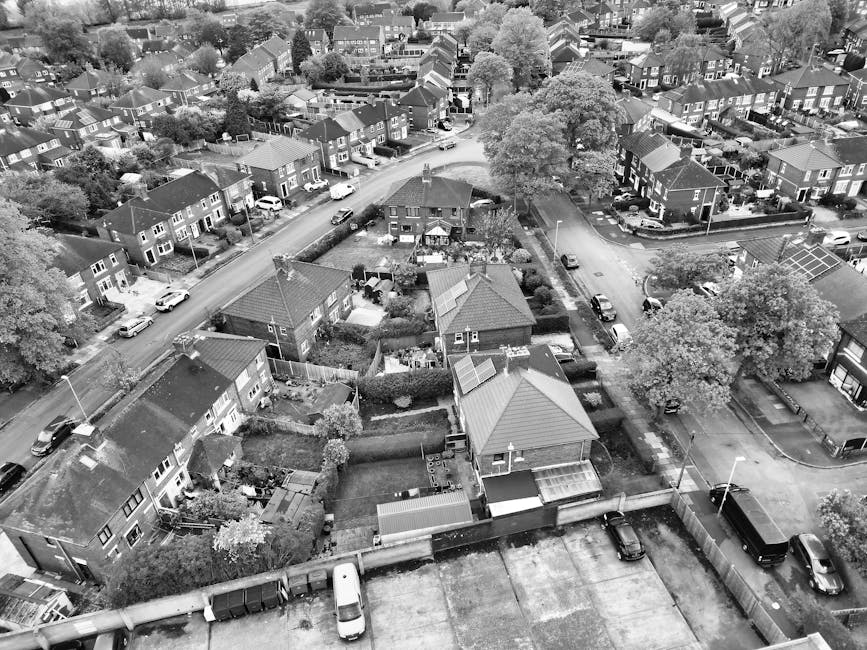
Sydenham is a district in south-east London with a long-established railway identity and a character shaped by its position between several better-known green and urban corridors. The area developed significantly after the arrival of the railway in the nineteenth century, and its streets still show a mix of Victorian and later housing that reflects that growth. Sydenham Hill and the surrounding higher ground help define the local landscape, giving parts of the district a noticeably elevated feel compared with the flatter areas nearby. The combination of residential streets, local shopping parades and access to larger open spaces has made it a distinctive part of the wider borough setting. Crystal Palace Park lies close to the area’s broader identity, and the legacy of the Crystal Palace itself remains important in local history, even though the original structure was destroyed by fire in 1936. The district also sits near historic woodland and parkland routes, with Sydenham Woods and Dulwich Wood forming part of the wider green character of south London. St Bartholomew’s Church and several older civic and religious buildings add to the sense of continuity, while more recent redevelopment has introduced different architectural layers. Sydenham’s rail connections and local high street keep it closely tied to neighbouring communities, but its own blend of suburban streets, hillside views and access to parks gives it a character that is recognisably separate.
Choosing the right level of clearance
Not every garden needs the same amount of intervention. Some customers want a complete removal of accumulated waste, while others only need a light clearance so that pathways, seating areas or access points can be used properly again. The right choice depends on how much material has built up, what needs to stay, and whether the main aim is visual tidiness, improved access or preparation for follow-on work such as planting or landscaping.
Where a property has several outdoor zones, it can be sensible to prioritise the areas that affect day-to-day use first. A front path may matter more than a back corner; a shed entrance may matter more than a border that is staying untouched for now. This is one reason garden clearance is usually best approached with a clear brief rather than a vague request. A few precise notes can make the work more efficient and better matched to the space.
When a garden contains larger unwanted pieces, the furniture disposal page may be useful for understanding how heavier outdoor items are managed. If the material is mostly cut branches, clippings and similar waste, though, the main garden service remains the most direct fit and is usually the simplest route to a cleaner outdoor area.
Making the most of a cleared garden

Once the clutter, cuttings and unwanted items have been taken away, the value of the clearance becomes easier to see. Paths open up, borders become visible again and the space can be assessed properly for maintenance or redesign. Some customers use the result as a reset before regular gardening resumes; others see it as the first step before repairs, turf work, new planting or a more practical layout. A clear garden is simply easier to manage.
Where old outdoor equipment, timber pieces or building-related waste are mixed in with plant material, it can be helpful to look at the builders waste clearance page as well. That is not because every garden job becomes a construction job, but because some outdoor areas collect leftover materials from repair work, small projects or dismantled structures. Identifying the correct waste type keeps the quotation and the removal approach more accurate.
For a quotation, send a brief outline of the job and mention anything that affects access, lifting or sorting. One clear message is usually enough to begin the process. If you would like to ask now, please use the contact page and request a quotation today.