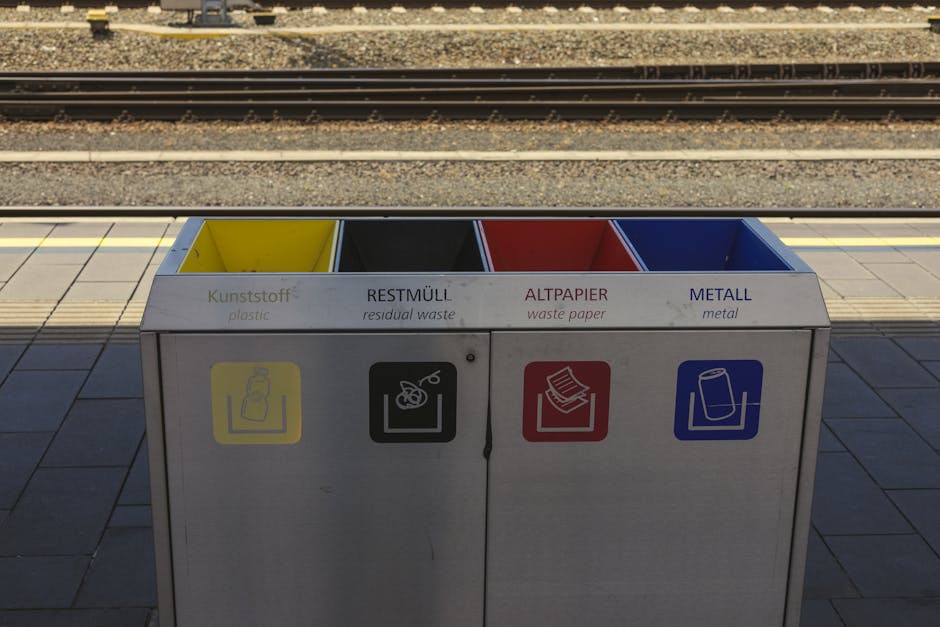
Sydenham Station rubbish removal guide for commuters
If you commute through Sydenham Station, you already know how quickly a platform can feel cluttered when people leave behind cups, takeaway containers, old papers, or that awkward bag of bits they meant to sort out weeks ago. This Sydenham Station rubbish removal guide for commuters is here to make that everyday problem feel a lot more manageable. Whether you are rushing for a train, heading home after work, or trying to clear out rubbish before it becomes a nuisance, the right approach saves time, reduces stress, and keeps your journey cleaner and easier.
Truth be told, most rubbish issues around busy stations are not dramatic. They are small, repeated, and annoying. A half-filled bag near a gate, a broken chair someone abandoned, a box that should have gone in a skip but did not. The trick is knowing what to do, when to do it, and which removal option actually fits commuter life. This guide breaks that down in plain English, with practical steps, a comparison table, and a few sensible pointers that can help you avoid the usual headaches.
Table of Contents
- Why Sydenham Station rubbish removal guide for commuters Matters
- How Sydenham Station rubbish removal guide for commuters Works
- Key Benefits and Practical Advantages
- Who This Is For and When It Makes Sense
- Step-by-Step Guidance
- Expert Tips for Better Results
- Common Mistakes to Avoid
- Tools, Resources and Recommendations
- Law, Compliance, Standards, or Best Practice
- Options, Methods, or Comparison Table
- Case Study or Real-World Example
- Practical Checklist
- Conclusion
- Frequently Asked Questions
Why Sydenham Station rubbish removal guide for commuters Matters
Commuter areas have a rhythm of their own. People arrive in bursts, leave in bursts, and sometimes drop items into the nearest convenient spot without really thinking. At a station, that creates two problems at once: it makes the space feel untidy, and it can also block walkways, attract pests, or create trip hazards. Nobody wants to sidestep a crushed box on the way to the platform at 8:12 in the morning.
For commuters, rubbish removal matters because time is limited. You do not have the luxury of spending half a day sorting bulky waste or figuring out where a cracked suitcase should go. You need a system that is fast, safe, and predictable. That is where a commuter-friendly rubbish removal approach becomes useful. It is not just about throwing things away; it is about reducing friction in your day.
There is also a reputational side. A clean station environment signals care. A messy one feels neglected, and that can make the whole journey feel more stressful than it needs to be. Small detail, big difference. Let's face it, most of us notice clean spaces before we consciously think about them.
If your rubbish issue is linked to a wider clear-out, you may also find it helpful to look at broader services such as waste removal or, where a property or room has built up clutter beyond the odd bag, home clearance. Those options are more suitable when the rubbish is not just a station-side problem but part of a larger tidy-up.
How Sydenham Station rubbish removal guide for commuters Works
At a practical level, rubbish removal around a station or commuter route usually falls into one of three scenarios. First, there is everyday bagged rubbish: food packaging, drink bottles, newspapers, and the random little bits commuters accumulate. Second, there is bulky waste: broken chairs, unwanted luggage, old office items, shop fixtures, or leftover materials from a property clear-out. Third, there is mixed waste, which is the awkward category where a bit of everything is involved and nobody wants to deal with it piecemeal.
The right solution depends on scale and timing. If it is a single item, it may be as simple as taking it home and using the appropriate household disposal route. If it is too bulky for a normal bin, a specialist clearance visit is usually more sensible. If the waste comes from a nearby business or flat, you may need a more structured collection plan so items do not sit around longer than necessary.
In practice, the process is usually:
- Identify what kind of waste you have.
- Separate reusable, recyclable, and general rubbish where possible.
- Choose a removal method that fits the size and urgency of the job.
- Make sure access is clear, especially if you are dealing with stairs, narrow paths, or a busy front entrance.
- Arrange collection or disposal at a time that does not disrupt commuting flow.
That last point matters more than people realise. A collection at the wrong time can cause more disruption than the waste itself. Early morning before peak flow, or later in the day once the rush has eased, is often the calmer choice.
Key Benefits and Practical Advantages
The biggest benefit is obvious: a cleaner, safer environment. But the real advantages go further than that.
- Less clutter at the point of travel. When rubbish is removed promptly, the station area feels easier to move through.
- Reduced stress. You do not end up carrying unwanted items around all day because you have already made a plan.
- Fewer missed trains. Strange as it sounds, clutter can slow people down. A badly placed bag or box can create a surprising bottleneck.
- Better presentation. This matters for businesses near the station, rental properties, and shared buildings.
- Improved recycling outcomes. When waste is sorted properly, more of it can be handled responsibly.
There is also a practical win that people tend to overlook: mental bandwidth. When your commute is already full of noise, timing, and pressure, removing one more nuisance makes the day feel lighter. Not glamorous, maybe, but genuinely useful.
If your clear-out includes old furniture or awkward items from a flat nearby, a dedicated furniture clearance or furniture disposal service can be a better fit than trying to piece together a DIY approach. The same goes for more complex jobs where a building entrance, shared hallway, or office back area is involved.
Who This Is For and When It Makes Sense
This guide is useful for more people than you might think. It is not just for station staff or people clearing out a flat near the rail line. It can help:
- daily commuters carrying small amounts of waste that need sensible disposal later
- tenants moving out and needing a quick way to clear leftover rubbish
- landlords managing a property near the station
- local businesses with packaging waste or old office items
- homeowners dealing with bulky clutter before a move or refurbishment
- trade teams finishing a small job and needing builders' debris cleared
It makes sense whenever rubbish starts to affect movement, safety, or timing. If you are stepping over cardboard every morning, that is a sign. If an old wardrobe is sitting in a hallway "just for now," that is another sign. And if the bags are beginning to pile up because everyone assumes someone else will deal with them... well, that is usually how trouble starts.
For flat residents and landlords, the most relevant next step may be a flat clearance. For shops, shared workspaces, or small offices near the station, office clearance and business waste removal are often the more efficient routes.
Step-by-Step Guidance
Here is a simple, commuter-friendly way to handle rubbish removal without making a meal of it.
1. Sort the waste honestly
Ask yourself what you are actually dealing with. Is it a few black bags, a bundle of cardboard, a broken chair, or a mixed pile of things from a room or garage? Be honest here. Underestimating the size of the job is a classic mistake, and it tends to show up later when you are standing there at 7:45 in the morning regretting the plan.
2. Separate what can be reused or recycled
Cardboard, clean metal, certain plastics, and reusable household items should not all be treated the same. Even when you are short on time, a few minutes of sorting can save trouble later. If the items are still usable, they may be better handled through a clearance route rather than ordinary rubbish disposal.
3. Decide whether the waste is small, bulky, or mixed
Small waste can often be handled with normal disposal methods. Bulky or mixed waste usually needs a proper clearance service. That distinction matters. A bin bag and a broken wardrobe are not the same problem, even if both are irritating to look at.
4. Check access before collection
Take a quick look at stairwells, lifts, narrow entrances, and parking access. If the collection team cannot get in easily, the job becomes slower and more expensive. Sometimes a tiny adjustment, like clearing a hallway or moving a car, makes a huge difference.
5. Choose a time that avoids peak commuter pressure
Timing is everything near a station. Early starts, lunchtime windows, or quieter evening periods are usually more manageable than the middle of the rush. This is one of those boring details that saves a lot of bother.
6. Confirm the disposal route
If the waste contains furniture, timber, garden debris, builders' waste, or office materials, it may be more efficient to use a specialist service rather than trying to shift everything separately. A single, organised collection is often cleaner and quicker.
7. Keep proof and records where needed
For businesses and landlords, keep notes or paperwork about the removal. It is not glamorous, but it helps if there are later questions about what was collected, when, and by whom.
Expert Tips for Better Results
In our experience, the best rubbish removal jobs are the ones where the decision-making happens before the rubbish is in the way. A little planning goes a long way.
- Use clear labels. If there is a mix of waste types, label piles as "keep," "recycle," "donate," and "remove." It sounds basic, because it is. Basic works.
- Do not overfill bags. Heavy or bursting bags are awkward to lift and more likely to split.
- Photograph bulky items before removal. This is useful for quotes and avoids surprises on the day.
- Keep walkways open. Clear a route from the waste to the exit. It speeds everything up.
- Think about weather. A wet morning in south-east London can turn cardboard into mush very quickly. Not ideal.
- Plan for lift or stair limits. If there is no easy lift access, mention that early rather than after the job starts.
A small but important tip: if you are handling rubbish after a commute, leave yourself a buffer. Five extra minutes can be the difference between a tidy handover and a rushed, slightly frazzled scramble. Nobody needs that before breakfast.
For bigger clear-outs involving stored items, the most relevant support pages are often garage clearance and loft clearance. These are especially handy when the clutter has been building quietly for months and then suddenly becomes everyone's problem.
Common Mistakes to Avoid
The same few mistakes show up again and again. Avoiding them makes the whole process smoother.
- Leaving everything until the last minute. That is how rubbish ends up in hallways and on landings.
- Assuming all waste can go in one bin. It cannot, and even if it fits, that does not make it the right route.
- Forgetting about bulky items. Old furniture, broken shelving, and renovation debris need more than a standard bin solution.
- Not checking access. If the collector cannot get close, the process gets slower.
- Mixing hazardous or restricted items with normal rubbish. That needs careful handling and should not be guessed at.
- Choosing a service without confirming what they take. The cheapest option is not always the simplest one. Sometimes it is the one that leaves you with half the mess still there.
A good rule of thumb: if you are unsure, ask before moving anything outside. A short conversation now is better than a pile of rejected waste later. Nobody enjoys that little drama.
Tools, Resources and Recommendations
You do not need a mountain of equipment for rubbish removal, but a few practical tools help:
- strong reusable bags for loose waste
- gloves for handling rough or dusty materials
- tape or straps for keeping cardboard and flat-pack items together
- a marker pen for labels
- a torch for low-light stairwells or storage areas
- basic measuring tape if you need to judge whether furniture will fit through a doorway
For service planning, it helps to use pages that explain scope clearly. If you are comparing prices, the pricing and quotes page can help you understand how a job may be assessed. If you care about how your waste is handled after collection, recycling and sustainability is worth reading too.
And if you want to understand the company side of things before booking, the about us page and insurance and safety information are useful trust signals. They help you feel a bit more confident about who is handling your waste and how.
Law, Compliance, Standards, or Best Practice
When rubbish removal touches homes, businesses, or shared public spaces, best practice matters. In the UK, waste should be handled responsibly, and anyone arranging disposal should be careful about where waste goes and who takes it away. The exact requirements can vary depending on the material, the type of property, and whether the waste is household, commercial, or construction-related.
For commuters and local property owners, the safest approach is simple: do not fly-tip, do not leave waste where it obstructs access, and do not hand mixed waste to an unverified collector. That last part is more important than people think. If waste is handled badly, the original person or business can still end up with complications. A bit of caution saves a lot of trouble.
Good practice also means separating recyclables where possible, using proper collection methods for bulky waste, and keeping records for business or landlord jobs. If a job involves construction debris, services like builders waste clearance are usually more appropriate than general rubbish handling.
There is no need to overcomplicate it. Just remember: safe handling, honest sorting, and a proper route out are the basics that keep everyone out of a mess.
Options, Methods, or Comparison Table
Different waste problems call for different solutions. Here is a simple comparison to help you decide what fits best.
| Method | Best for | Pros | Watch-outs |
|---|---|---|---|
| Normal household disposal | Small bagged rubbish, light recyclables | Simple, cheap, familiar | Not suitable for bulky or mixed waste |
| Self-delivery to disposal point | People with a vehicle and time | Flexible, direct | Can be slow, awkward, and physically demanding |
| Specialist rubbish removal | Bulky, mixed, or time-sensitive waste | Fast, organised, less stress | Costs more than doing it yourself |
| Targeted clearance service | Furniture, garage, loft, flat, or office waste | Better for specific jobs, often more efficient | Needs clear scope before booking |
If you are clearing one or two items, DIY might be enough. If you are dealing with a pile that blocks the route to a platform, a stairwell, or a shared entrance, specialist help is usually the calmer option. Honestly, sometimes paying for convenience is the smart move.
Case Study or Real-World Example
Picture a typical weekday morning. A commuter leaves a stack of flattened cardboard boxes and a broken bedside table in a hallway near a flat close to the station, planning to deal with it "after work." Of course, after work becomes later. Then it rains. Then someone else adds an old bag of clothes. By the next day, the hallway looks worse, and people are stepping around it to get to the door.
The fix is rarely complicated. The resident sorts the cardboard from the timber and the bagged items, checks what can be recycled, and books a clearance slot outside the morning rush. The route from the hallway to the exit is cleared, the items are carried out in one go, and the space feels normal again by lunchtime. No fuss. No endless back-and-forth. Just done.
That is the real point of this guide. Not dramatic waste problems. Everyday ones. The kind that quietly eat your time if you let them sit.
Practical Checklist
Use this quick checklist before arranging rubbish removal near Sydenham Station:
- identify the type of waste
- separate recyclable and reusable items
- measure any bulky items if access is tight
- clear the route to the exit
- choose a collection time that avoids peak commuter flow
- confirm what the service will and will not take
- prepare any paperwork needed for business or landlord records
- keep fragile or hazardous items separate
- make sure bags are secure and not overfilled
- double-check the final pile before collection day
One more thing: if the job has grown beyond a few bags, consider whether a more specific service is a better match. For example, a property clear-out might suit house clearance, while a larger one-off job can sometimes be handled as part of a broader waste removal plan.
Conclusion
Rubbish removal around a commuter route does not need to be complicated, but it does need to be organised. The best approach is the one that respects your time, keeps access clear, and deals with waste properly the first time. That is true whether you are handling a couple of bags, a bulky old chair, or a more involved clear-out near Sydenham Station.
If you remember nothing else, remember this: sort early, choose the right removal route, and do not let clutter sit in the way of a busy day. A little planning makes the whole thing feel lighter, and frankly, that is worth a lot on a packed weekday morning.
Get a free quote today and see how much you can save.
Frequently Asked Questions
What is the best rubbish removal option for commuters near Sydenham Station?
The best option depends on the amount and type of waste. Small bagged rubbish can often be handled through normal disposal, while bulky or mixed waste is usually better suited to a specialist rubbish removal or clearance service.
Can I leave rubbish out near a station for later collection?
No, you should not leave waste where it obstructs walkways, entrances, or station access. That can create safety issues and may also cause complaints or enforcement problems. Keep waste contained and arranged for proper collection.
How do I know if I need furniture clearance instead of general rubbish removal?
If the item is bulky, heavy, or awkward to move, furniture clearance is usually the better fit. Sofas, wardrobes, tables, desks, and similar pieces are often easier to remove through a targeted clearance service.
Is office waste different from household rubbish?
Yes, it often is. Office waste can include paper, packaging, filing materials, old equipment, and furniture. If you are clearing a workspace near the station, office clearance or business waste removal is usually more suitable.
What should I do with mixed waste from a flat move?
Sort what you can into keep, recycle, donate, and remove. If there is still a lot left, a flat clearance service can save time and reduce the chance of leaving things behind.
How far in advance should I book rubbish removal?
As early as you can, especially if the job needs to happen around commuter hours. Early booking gives you more flexibility with timing and reduces the chance of disruption.
Can builders' debris be included with normal rubbish?
Not usually. Builders' waste such as rubble, timber offcuts, plasterboard, and packaging is better handled separately through builders waste clearance.
How do I avoid overpaying for rubbish removal?
Be clear about the volume, access, and waste type before booking. Vague descriptions often lead to surprises. If you are comparing options, the pricing and quotes page is a sensible place to start.
Is recycling really worth the extra effort?
Yes, usually. Separating recyclable items can reduce the amount of general waste and makes the process more responsible. It is a small effort, but it adds up. A lot.
What if I am not sure whether an item is safe to remove with everything else?
Keep it separate and ask before collection. If something seems unusual, sharp, heavy, or potentially restricted, do not guess. It is better to pause than to mix in something that needs special handling.
Do I need paperwork for rubbish removal as a landlord or business owner?
It is a good idea to keep records of what was removed, when it was removed, and who handled it. That helps with accountability and avoids confusion later.
Where can I learn more about how waste is handled responsibly?
You can review the company's recycling and sustainability information, along with its health and safety policy and insurance and safety details, if you want extra peace of mind before booking.